INDEPENDENT PRODUCT REVIEW
NeuroPrime Review
A clear, editorial look at product information, ingredients, price options and considerations.
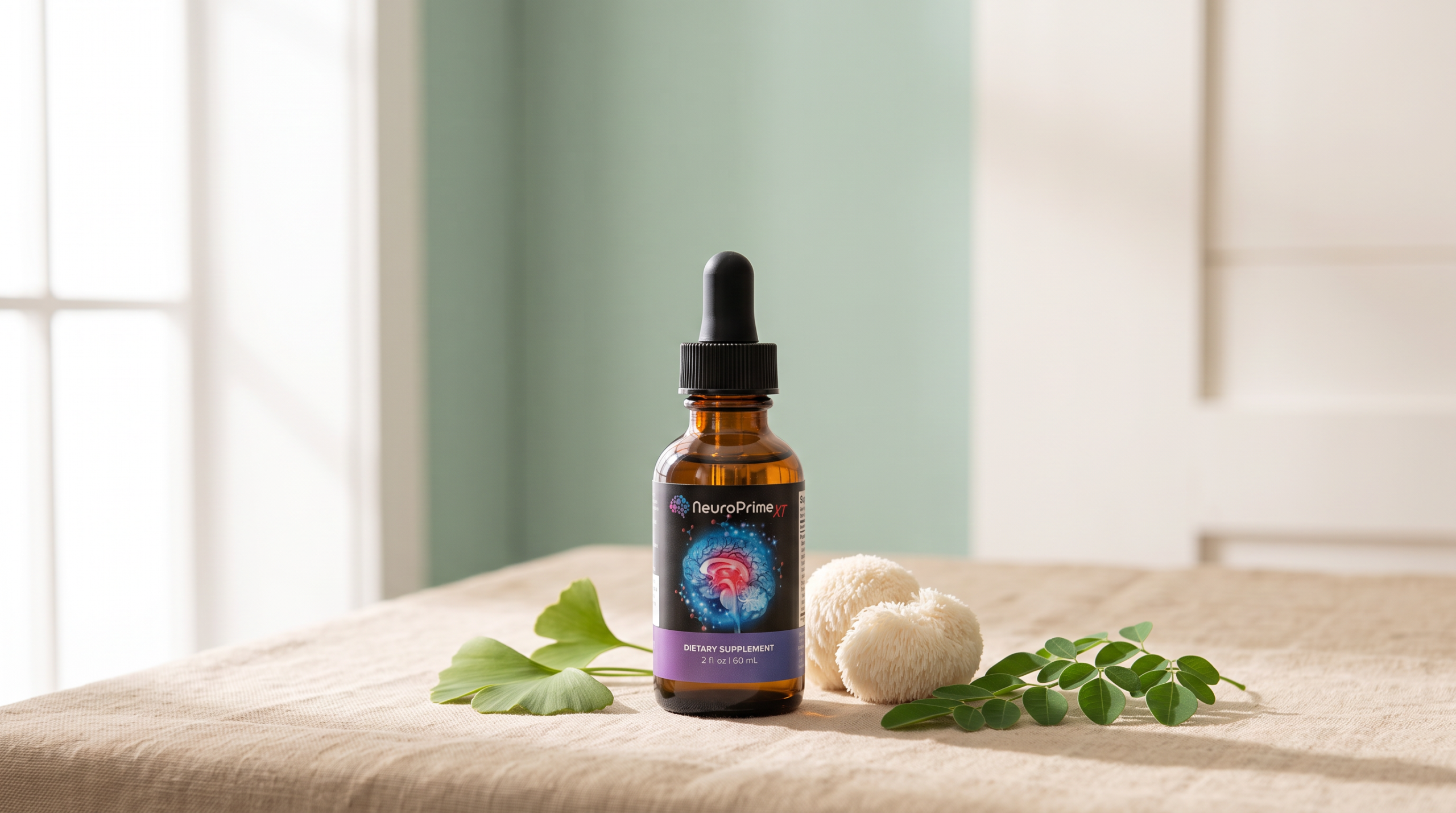
Your Memory Is Fading Faster Than You Think. Here’s What the Brain Health Industry Hopes You Never Notice.
FTC Disclosure: This article contains affiliate links. If you purchase through these links, we may earn a commission at no extra cost to you.

Notice What Your Memory Is Doing Right Now
Stop for a second. Think about your last week.
How many times did you walk into a room and forget why you went in there? How often did a word hover on the tip of your tongue and then slip away entirely? When was the last time you blanked on a name you’ve known for years — a colleague, an old friend, even a family member?
Most people shrug this off. “It’s just getting older.” “I’ve got a lot on my plate.” “I’ll catch up on sleep this weekend.” They tell themselves the fog is temporary, that the misplaced keys and forgotten appointments are normal, and that their brain will sharpen up once things calm down.
But here’s the uncomfortable truth: your mind doesn’t send you a formal warning before it starts to slow. It whispers. A forgotten name here. A lost train of thought there. And because the change is so gradual — a little more each month, almost imperceptible day to day — most people don’t realize how much ground they’ve lost until the fog is already thick around them.

The “Inevitable Decline” Deception: Brain Health’s Greatest Lie
When people finally start worrying about their memory, here’s what they typically hear. “That’s just part of aging.” “Nothing you can do about it.” “Welcome to getting older.”
It’s a remarkably convenient story — and it has been repeated so often that most of us accept it without question.
The modern brain-health conversation has largely settled into two camps, and neither one serves you well:
- “Decline is inevitable.” The assumption that mental sharpness must simply fade with age — and that there’s nothing meaningful to be done about it — keeps a lot of people from acting until the problem is already well underway.
- The quick-fix shelf. On the other side sit shelves full of “brain boosters” — glossy promises of instant focus and photographic recall, most of which amount to caffeine and marketing, with little transparency about what’s actually inside.
You’re not being told the whole story. The idea that you should just accept a foggy mind as your new normal — or that a single magic pill will reverse years of neglect overnight — is the comfortable lie. The truth sits somewhere more practical: your brain is a living system, and like every other system in your body, it responds to what you feed it, every single day.

What Brain Fog Actually Costs You Over Time
Here’s the part nobody wants to talk about: the real price of letting your mental sharpness slide isn’t just a few embarrassing moments. It compounds.
First, the small losses. The missed appointment. The email you forgot to send. The name that escaped you mid-conversation with someone important. Individually, each one feels trivial. But they stack — and every small slip quietly chips away at your confidence.
Then, the bigger ones. The meeting where you couldn’t find the right words, so you stayed quiet while someone sharper took the credit. The project you underdelivered because you couldn’t hold the details in your head the way you used to. The promotion that went to the person who seemed more “on.” Put a price on a single missed opportunity, a single lost deal, a single year of second-guessing yourself — and the cost of doing nothing starts to look far more expensive than any bottle on a shelf.
And it compounds. The longer your memory and focus go unsupported, the harder the climb back becomes. This is not a problem that politely waits for you to get around to it. It’s a slow leak — and it’s leaking whether you’re paying attention or not.
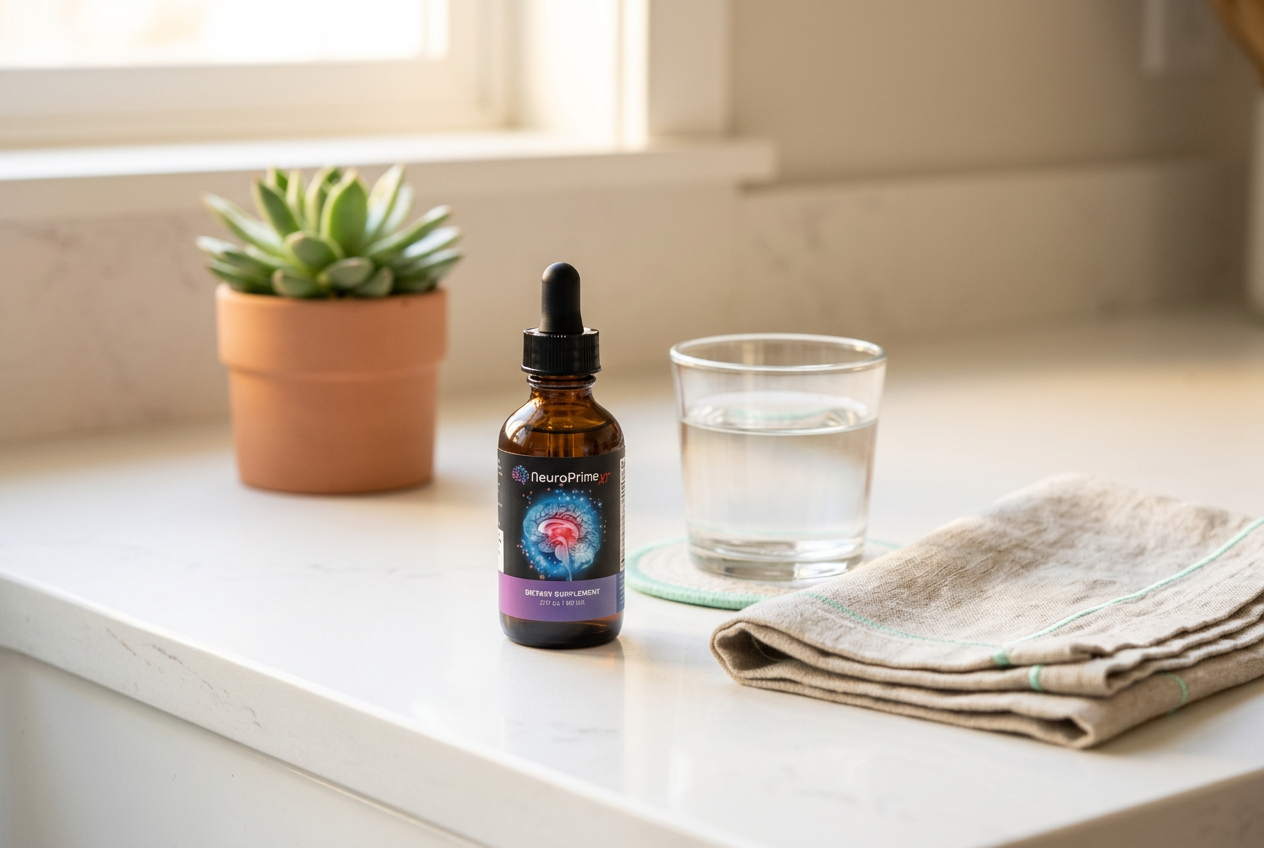
The Solution: Support Your Mind Before the Fog Becomes a Wall
There is a different way to think about this — and it starts with a simple question: what if you didn’t wait until the fog was already thick before doing something about it?
What if, instead of treating memory and focus as an all-or-nothing switch that only gets attention once it’s failing, you treated your brain the way you treat the rest of your body — as something worth supporting and maintaining before the alarms go off?
That’s the idea behind NeuroPrime.
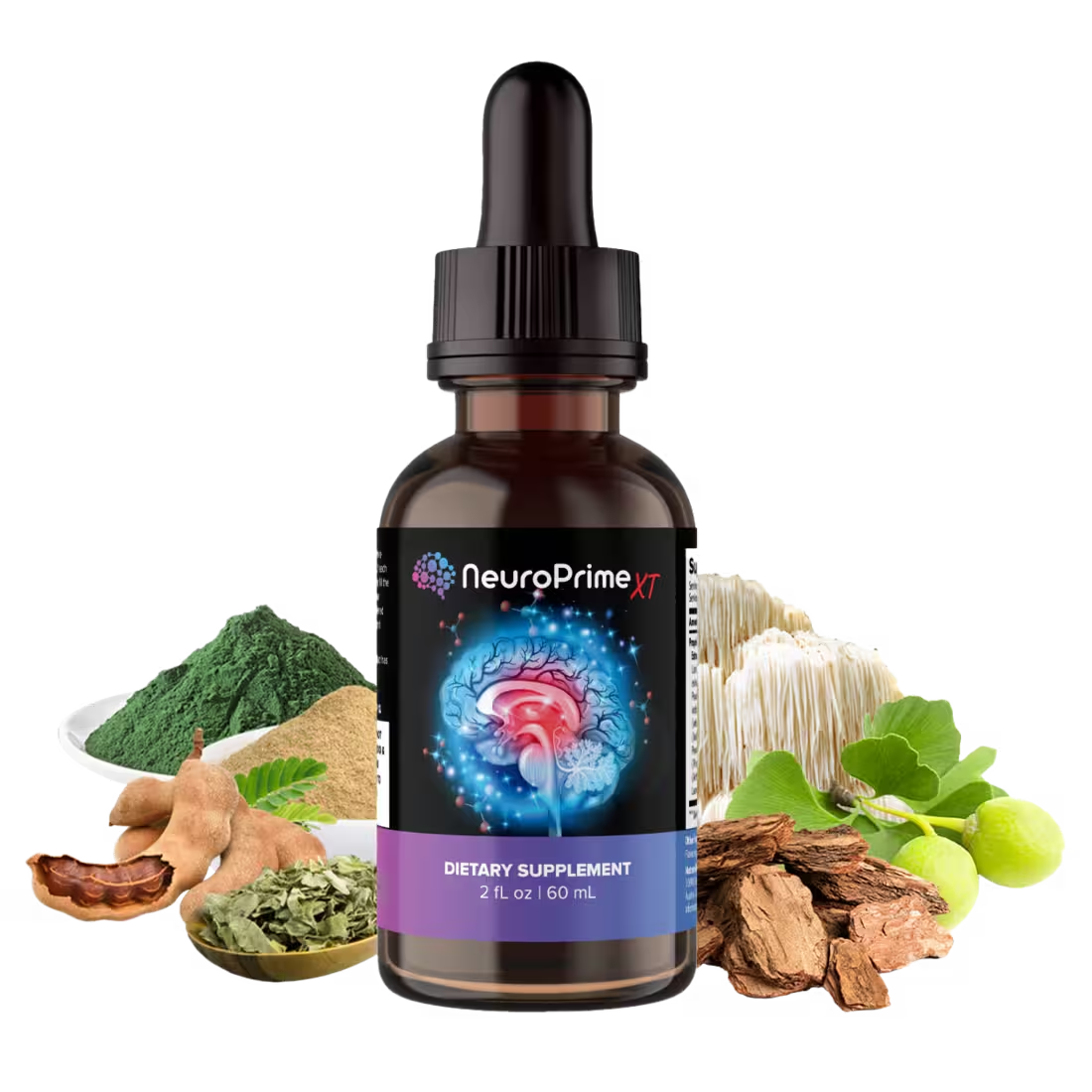
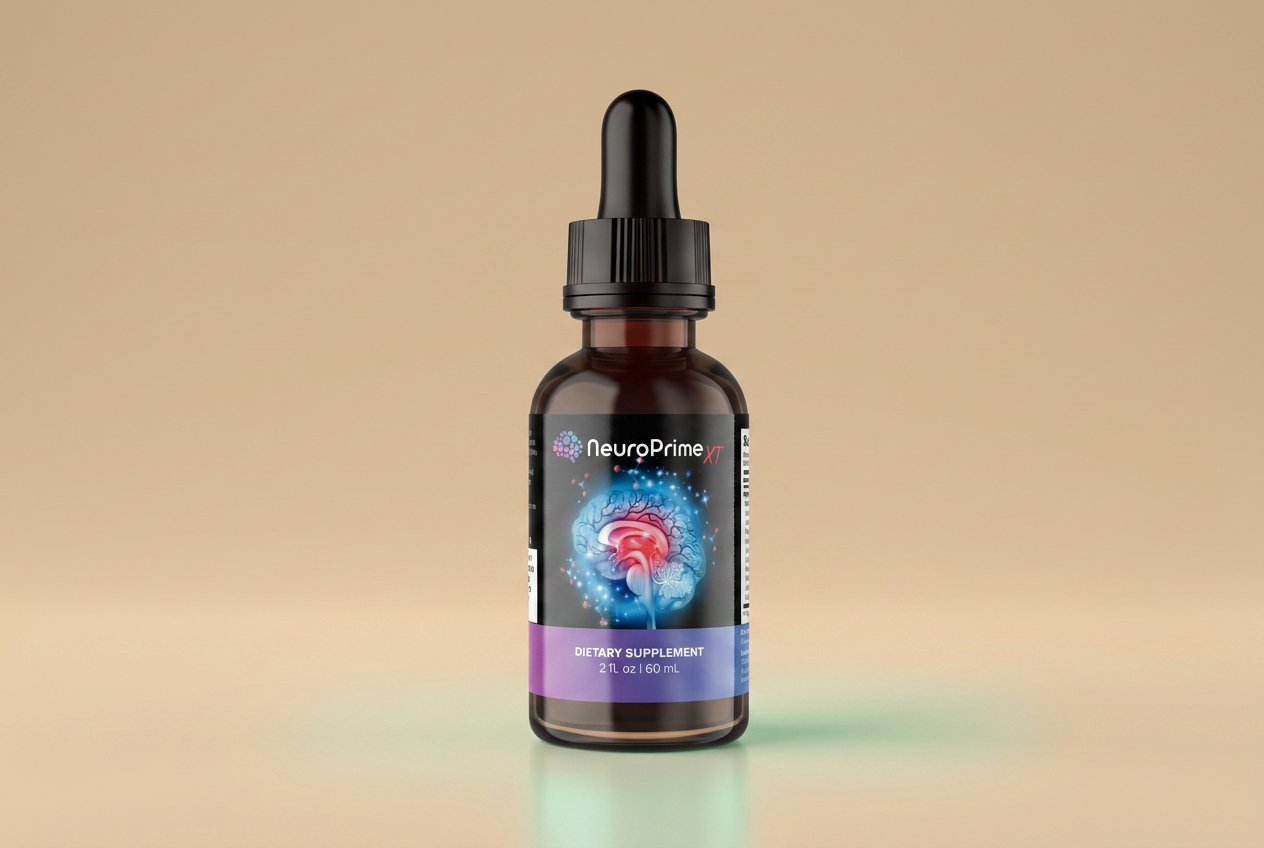
NeuroPrime is not a medication, and it doesn’t claim to be one. It’s a natural liquid supplement — a dropper formula — marketed as a blend designed to help support memory function. It’s built around a set of nine plant-based, non-GMO ingredients, several of which are recognizable names in the wellness world: Moringa, Pine Bark Extract, Ginkgo Biloba, Tamarind, Lion’s Mane Mushroom, Chlorella, Bacopa monnieri, Spirulina, and Neem.
To be clear about what it is and isn’t: NeuroPrime is positioned as a supportive, maintenance-oriented formula — not a cure, not a medical treatment, and not a replacement for professional care. The brand markets it as “designed to help support memory function” and emphasizes a “closely guarded” blend of hard-to-source natural ingredients. We’ll separate what’s established from what’s marketing in a moment.
How It Works
NeuroPrime is a liquid, taken by dropper — a non-pill format that many supplement buyers prefer. Here’s the full nine-ingredient list, with what each one actually is rather than what the marketing wants you to assume:
| Ingredient | What It Is |
|---|---|
| Moringa | A fast-growing tree whose nutrient-dense leaves are widely used in green formulations and herbal traditions. |
| Pine Bark Extract | A botanical extract sourced from pine bark, rich in plant compounds known as proanthocyanidins. |
| Ginkgo Biloba | A leaf extract from the ginkgo tree — one of the oldest living tree species and a long-standing name in memory-support traditions. |
| Tamarind | The pulp of a tangy tropical fruit, used in both food and traditional herbal practice. |
| Lion’s Mane Mushroom | An edible mushroom with a distinctive shaggy appearance, traditionally used in East Asian cuisine and wellness. |
| Chlorella | A single-celled freshwater green algae, commonly used as a nutrient-dense green supplement. |
| Bacopa monnieri | An aquatic herb with a long history of use in traditional Ayurvedic practice, often associated with cognitive support. |
| Spirulina | A blue-green algae cultivated as a protein- and nutrient-rich food supplement. |
| Neem | A tree native to the Indian subcontinent whose leaves have a long history in traditional herbal traditions. |
Note: This table lists each ingredient by name and describes what it factually is. The specific memory- and cognition-related benefits are the brand’s marketing positioning and are not independently established medical facts.
The Science Is Honest, Not Magical
Let’s be straightforward, because a review that pretends otherwise does you no favors.
There is no single, independently verified study that proves NeuroPrime — as a finished formula — restores memory or reverses cognitive decline. Anyone who tells you a supplement can “turn back the clock” on your brain is selling you a fantasy, and NeuroPrime’s own marketing should be read with that filter on.
The product’s landing page does reference external sources — including the Harvard Health Blog and the Journal of Pineal Research — as supporting context for its claims. In the interest of honesty, we flag those citations as unverified at the time of this review: we have not independently confirmed that they support the specific memory claims being made. Treat that as a signal to do your own homework, not as proof on its own.
What is reasonable to say is that several of NeuroPrime’s ingredients — ginkgo biloba, lion’s mane, and bacopa monnieri among them — are individually recognizable botanical names with established general-interest profiles and long histories of traditional use. That is a supporting cast, not a miracle cure.
In other words: approach NeuroPrime the way you’d approach any wellness formula — as a possible supportive, maintenance-oriented addition to a healthy routine, not a substitute for sleep, exercise, a balanced diet, or a doctor’s evaluation when memory changes are concerning. If you’re experiencing significant or sudden memory loss, start with a healthcare professional. Full stop.
The Pricing: A Modest Sum Against a Steep Hidden Cost
Here’s where the economics get interesting — because the real cost comparison isn’t against another bottle, it’s against the price of doing nothing.
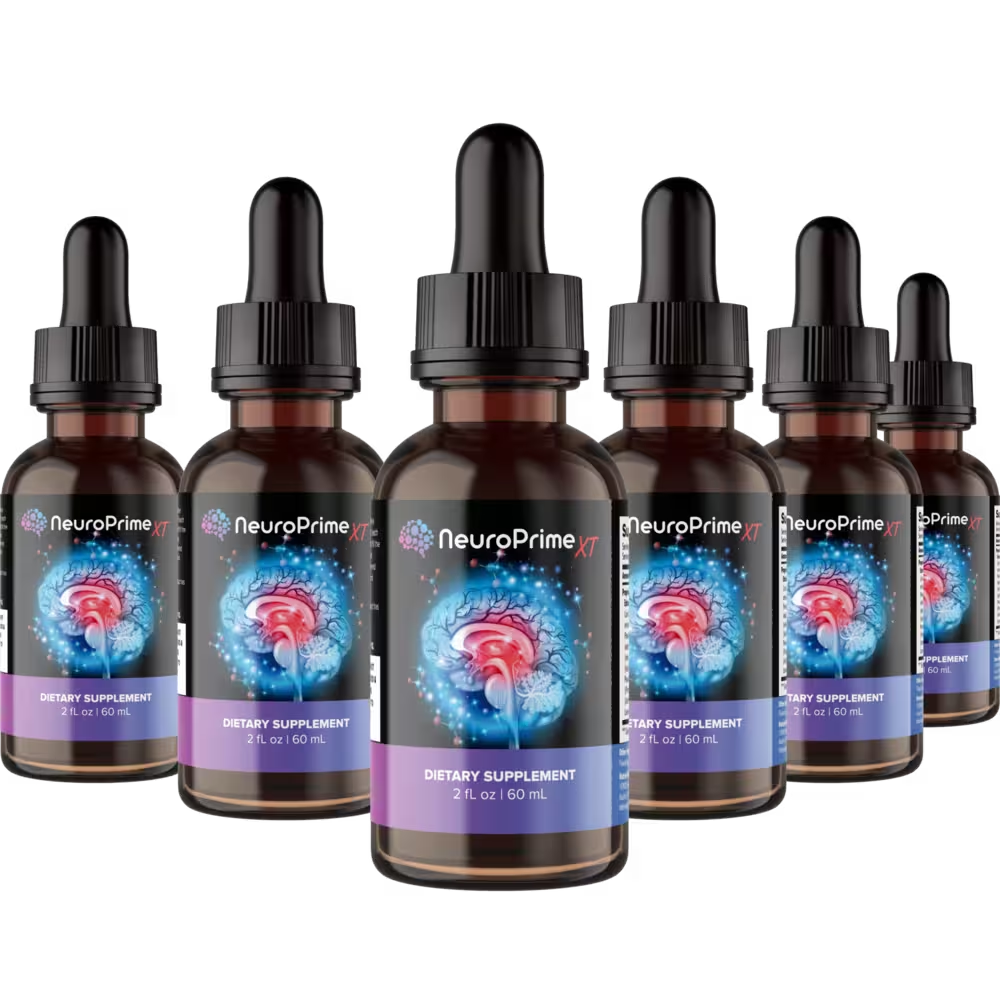
NeuroPrime is sold in three packages, as listed on its landing page:
- 1 bottle: $69
- 3 bottles: $59 per bottle — $177 total
- 6 bottles: $49 per bottle — $294 total
Every order is backed by a 365-day money-back guarantee — a full year to decide whether the formula is doing anything for you, which is a genuinely unusual window in this category and caps your downside almost entirely.
Run the math against the hidden cost of the problem itself: a single missed opportunity, a single underdelivered project, or a single year of second-guessing your own mind can cost far more than even the largest package. That doesn’t make NeuroPrime a substitute for real medical care — but it does change the risk calculus for someone who simply wants to be more proactive about their cognitive wellness while the option is still a choice rather than a necessity.
Final Verdict
NeuroPrime is not a miracle, and a review that called it one would be doing you a disservice. It is a liquid, plant-based, nine-ingredient supplement positioned for memory support and mental clarity — with a fair amount of marketing polish wrapped around a reasonable core idea: support your brain before you’re forced to manage a problem.
The strengths are real: a non-pill, dropper format many people prefer; a transparent, recognizable ingredient list; straightforward three-tier pricing; and a 365-day money-back guarantee that is among the most generous in the category. The limits are equally real: the memory and cognition claims are marketing, not established medicine, and no supplement replaces sleep, nutrition, or a professional evaluation when something is genuinely wrong.
If your expectation is “a supportive addition to a proactive routine,” NeuroPrime is a low-cost, low-risk way to explore that. If your expectation is “a cure,” adjust it before you spend a dollar.
The question isn’t whether a supplement alone can sharpen your mind. The question is whether you’re doing anything to support it before the fog turns into a wall you can no longer ignore.
Where to Buy NeuroPrime
Check the current price and available options on the official website:
Visit the Official NeuroPrime Website
Disclosure: This post contains affiliate links. If you click through and make a purchase, we may earn a commission at no additional cost to you. This helps support our editorial work. Our opinions remain our own.
This article is for informational purposes only and is not medical advice. It is not intended to diagnose, treat, cure, or prevent any condition, including memory loss or cognitive decline. Consult a qualified healthcare provider before starting any new supplement, especially if you have a medical condition, are pregnant or nursing, or are taking medication. Individual results may vary.