INDEPENDENT PRODUCT REVIEW
Audifort Review
A clear, editorial look at product information, ingredients, price options and considerations.
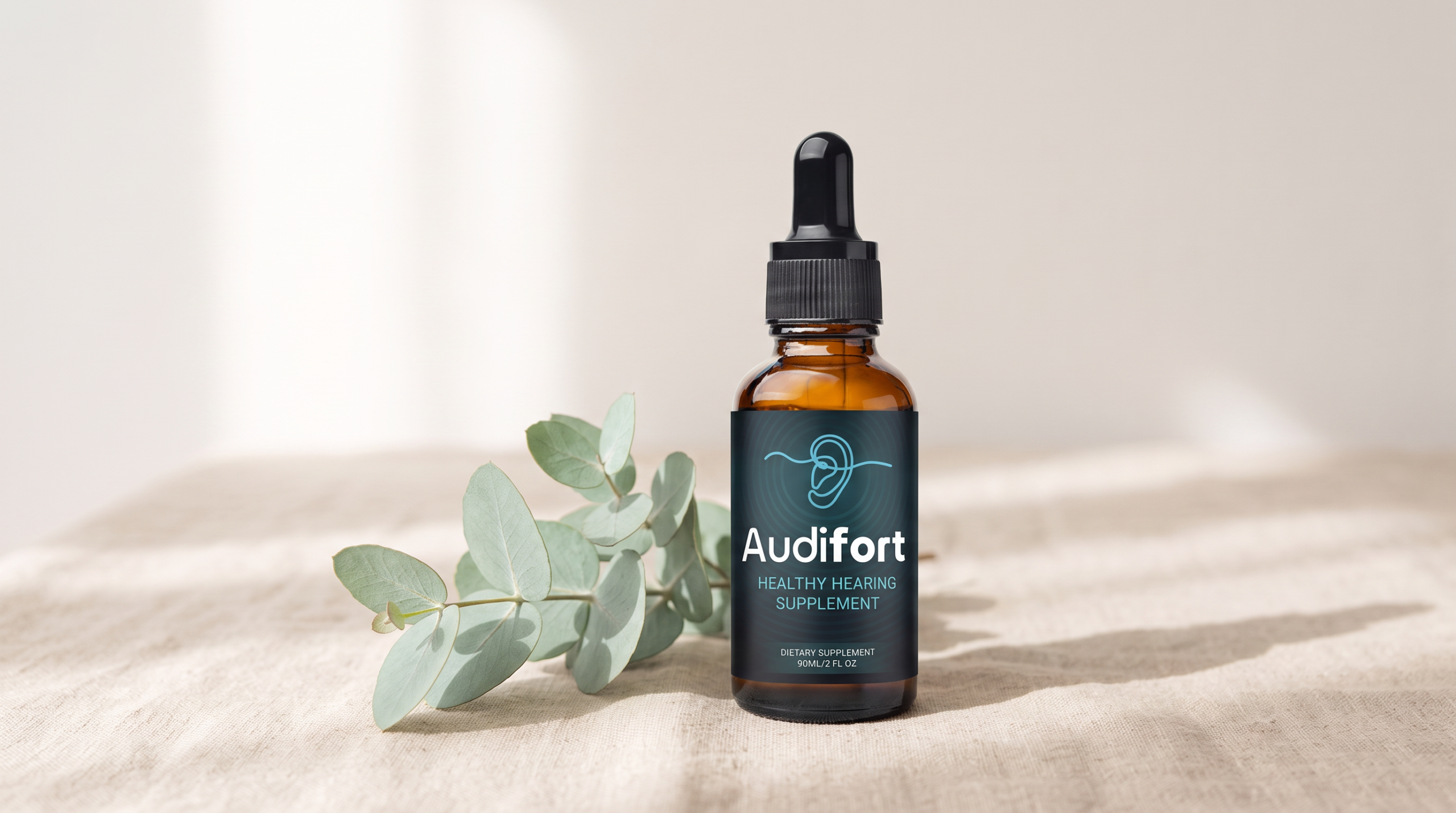
That Ringing in Your Ears Is a Distress Signal. Here’s What the Hearing Industry Hopes You Never Notice.
FTC Disclosure: This article contains affiliate links. If you purchase through these links, we may earn a commission at no extra cost to you.

Listen to Yourself Right Now
Stop what you’re doing for ten seconds. Close your eyes and just listen.
Is there a faint hum under the silence? A high-pitched ring you’ve learned to ignore? Maybe you’ve noticed you’re turning the volume up a notch higher than you did last year — or you’ve started asking people to repeat themselves more often than you’d like to admit.
Most people shrug this off. “It’s just part of getting older.” They tell themselves the ringing will pass, the muffled conversations are normal, and the TV isn’t really that loud.
But here’s the uncomfortable truth: your hearing doesn’t send you a formal warning before it starts to slip. It whispers. A ring here. A missed word there. And because the change is so gradual, almost nobody notices it’s happening until a lot of ground has already been lost.
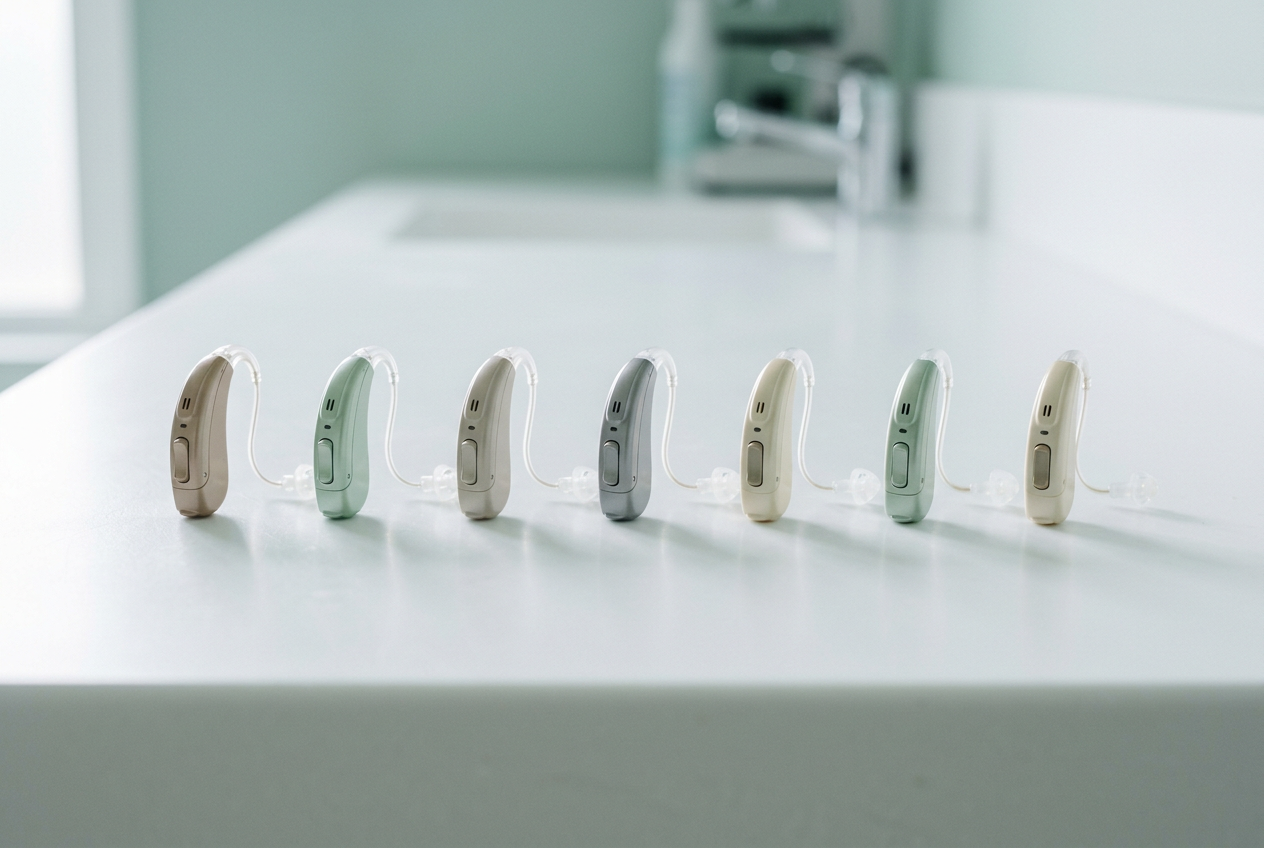
The Amplification Deception: The Hearing Industry’s Quiet Little Secret
When you finally walk into a hearing clinic, here’s what typically happens. You get a test. You get a diagnosis. And then you get handed a price list.
The industry’s answer to hearing decline has been the same for decades: amplification. Louder sound, delivered through increasingly expensive devices. And to be clear — hearing aids genuinely help a great many people. They’re a legitimate tool, and we’re not here to tell you otherwise.
What the sales brochure won’t dwell on is what amplification doesn’t do:
- Amplifying sound is not the same as restoring clarity. Turning up the volume on a world you can no longer process cleanly is not the same as getting your hearing back. Background noise gets louder too.
- The ringing doesn’t always go away. For the millions of people living with tinnitus — that persistent ringing, buzzing, or hissing with no external source — there is no pill, no surgery, and no quick device fix that reliably makes it stop. The standard advice often amounts to “learn to live with it.”
- The sticker price is quietly brutal. A single quality hearing aid can run $1,000 to $4,000 or more — and most people need two. Medicare and the majority of insurance plans don’t cover them. That’s a five-figure out-of-pocket expense for a device that, for many, only partially helps.
You’re not being offered a solution to the underlying problem. You’re being sold louder sound — at a price that would make most people’s eyes water.

What Hearing Decline Actually Costs You Over Time
Here’s the part nobody wants to talk about: the real price of letting your hearing slide isn’t measured in dollars. It’s measured in the life that quietly drains away around you.
First, the money. A pair of quality hearing aids typically runs $2,000 to $7,000 out of pocket, plus fittings, follow-up appointments, and eventual replacement. Hearing tests, ENT visits, and the endless search for something that helps all add up. For a problem the system treats as “manageable” rather than preventable, the bill climbs fast.
Then, the isolation. This is the cost that never appears on any invoice. When you can’t follow conversations in a busy restaurant, you stop going. When you mishear a punchline and everyone laughs, you stop laughing. When the ringing keeps you up at night, you wake up drained, and your patience for the world shrinks a little more each day.
People with untreated hearing loss don’t just hear less. They participate less. They withdraw from dinners, phone calls, and family gatherings. One skipped conversation at a time, the world gets smaller — and the silence gets bigger.
And it compounds. The longer hearing and the mental sharpness that depends on it are left unsupported, the harder the climb back becomes. This is not a problem that politely waits for you to get around to it. It’s a slow leak, and it’s leaking whether you’re paying attention or not.
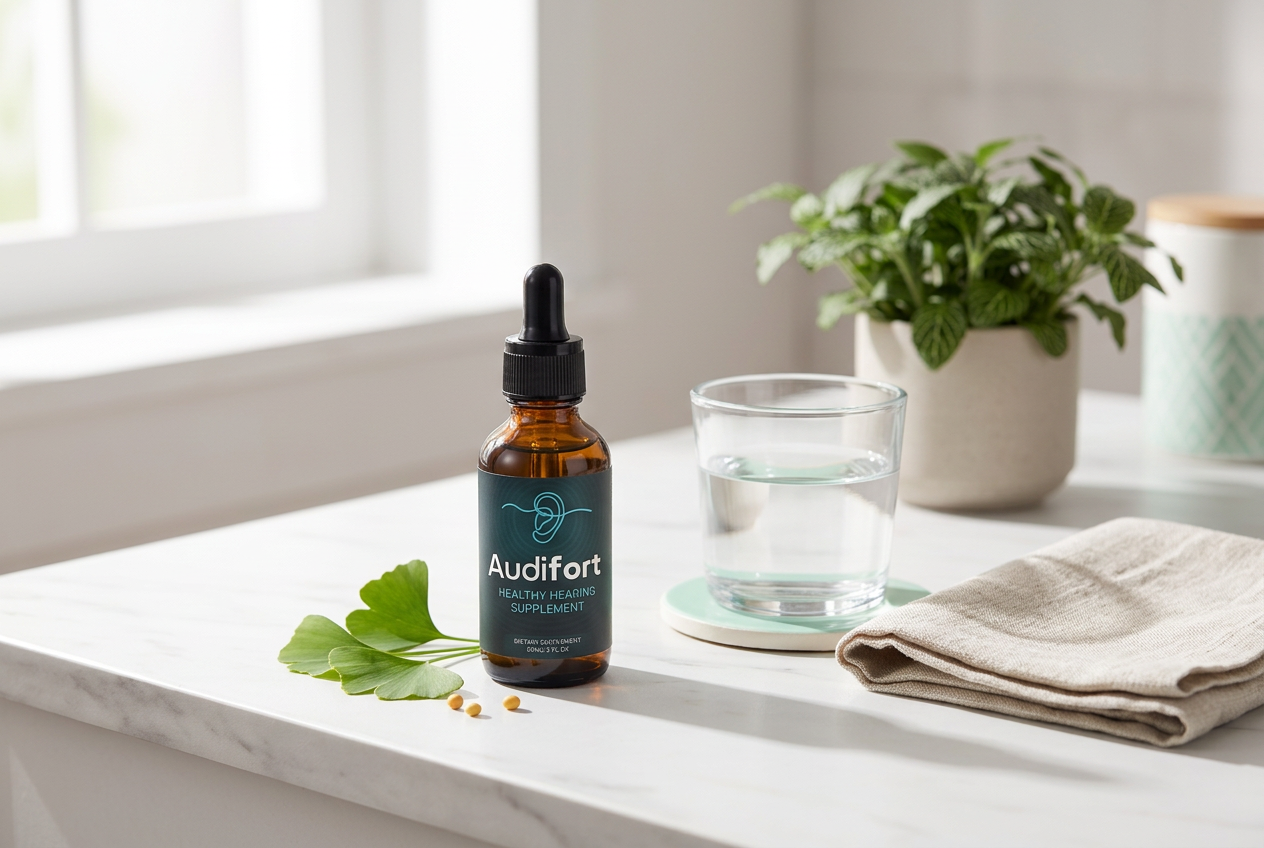
The Solution: Support Your Hearing Before It Becomes an Emergency
There is a different way to think about this — and it starts with a simple question: what if you didn’t wait until the damage was done before doing something about it?
What if, instead of treating hearing as an all-or-nothing switch that only gets attention once it’s failing, you treated it the way you treat the rest of your body — as something worth supporting, maintaining, and protecting before the alarms go off?
That’s the idea behind Audifort.
Audifort is not a hearing aid, and it doesn’t claim to be one. It’s an all-natural liquid supplement — a dropper formula — positioned for people who want to be proactive about ear health, hearing comfort, and mental clarity. Instead of a pill, it’s a liquid you take by dropper, which is exactly the kind of non-pill format many supplement buyers prefer.
To be clear about what it is and isn’t: Audifort is marketed as a supportive, maintenance-oriented formula — not a cure, not a medical treatment, and not a replacement for professional audiology care. The brand’s own claims center on supporting healthy hearing, easing tinnitus-like noise, sharpening mental focus, and boosting energy. We’ll separate what’s established from what’s marketing in a moment.
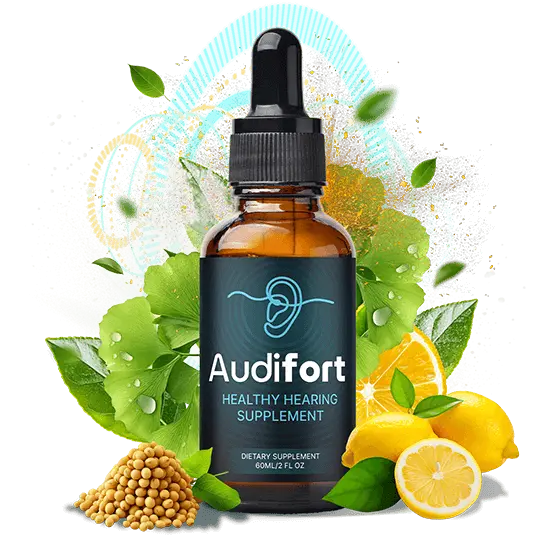
How It Works
Audifort is built as a liquid formula containing more than 20 ingredients, several of which are familiar names in the wellness world. Here’s what’s in it and what you should understand about each — with the hearing-specific effects clearly marked as the brand’s positioning, not independently proven medicine:
| Ingredient | What It Is |
|---|---|
| Maca Root | A root vegetable traditionally used for energy and stamina; included here as a vitality component. |
| Grape Seed | A plant extract rich in antioxidant compounds (proanthocyanidins). |
| Green Tea | A well-known source of antioxidant polyphenols, including EGCG. |
| Capsicum Annuum | A pepper extract — a source of capsaicin and related compounds. |
| Gymnema Sylvestre | A herb with a long history of use in traditional Ayurvedic practice. |
| GABA | A naturally occurring amino acid that functions as a neurotransmitter in the body. |
Note: The table lists these six of the 20+ ingredients by name because they are the ones the brand itself highlights. The specific hearing and tinnitus-related benefits are the brand’s marketing claims and are not independently established medical facts.
The Science Is Honest, Not Magical
Let’s be straightforward here, because a review that pretends otherwise does you no favors.
There is no single, independently verified study that proves Audifort — as a finished formula — restores hearing or eliminates tinnitus. Anyone who tells you a supplement can “reverse hearing loss” is selling you a fantasy, and Audifort’s own marketing should be read with that filter on.
What is reasonable to say is that several of its ingredients — green tea and grape seed as antioxidant sources, for example — are individually well-studied compounds with established general-interest profiles. Antioxidant and anti-inflammatory support is a legitimate, if modest, area of ongoing research when it comes to ear and overall wellness. That is a supporting cast, not a miracle cure.
In other words: approach Audifort the way you’d approach any wellness formula — as a possible supportive, maintenance-oriented addition to a healthy routine, not a substitute for a hearing test, an audiologist, or a hearing aid when one is medically indicated. If you have measurable hearing loss or persistent tinnitus, start with a professional evaluation. Full stop.
The Pricing: Put It Next to a Hearing Aid
Here’s where the economics get interesting.
| Option | Typical Cost |
|---|---|
| One quality hearing aid (single ear) | $1,000 – $4,000+ |
| A full hearing-aid pair, out of pocket | $2,000 – $7,000+ |
| Ongoing fittings, appointments, and replacement | Adds up for years |
Now compare that to Audifort’s three packages, as listed on its landing page:
- 2 bottles: $79 per bottle — $158 total
- 3 bottles: $69 per bottle — $207 total
- 6 bottles: $49 per bottle — $294 total
The 3-bottle and 6-bottle orders also include two digital bonuses: “The Deep Sleep Activation Protocol” and “The Brainwire Regeneration Blueprint.” Every order is backed by a 90-day money-back guarantee, which is a meaningful window to decide whether the formula is doing anything for you.
Run the math: the largest package costs less than a single office visit to a hearing specialist, and a fraction of what even one hearing aid costs. That doesn’t make Audifort a substitute for real medical care — but it does change the risk calculus for someone who simply wants to be more proactive about their hearing and cognitive wellness.
Final Verdict
Audifort is not a miracle, and a review that called it one would be doing you a disservice. It is a liquid, all-natural, 20-plus-ingredient supplement positioned for hearing comfort, tinnitus relief, mental clarity, and energy — with a fair amount of marketing polish wrapped around a reasonable core idea: support your hearing and brain before you’re forced to manage a problem.
The strengths are real: a non-pill format many people prefer, recognizable wellness ingredients, transparent package pricing, two bonuses on the larger orders, and a 90-day money-back guarantee that caps your downside. The limits are equally real: the hearing and tinnitus claims are marketing, not established medicine, and no supplement replaces a professional evaluation.
If your expectation is “a supportive addition to a proactive routine,” Audifort is a low-cost, low-risk way to explore that. If your expectation is “a cure,” adjust it before you spend a dollar.
The question isn’t whether a supplement alone can fix your hearing. The question is whether you’re doing anything to support it before the ringing turns into a warning you can no longer ignore.
Where to Buy Audifort
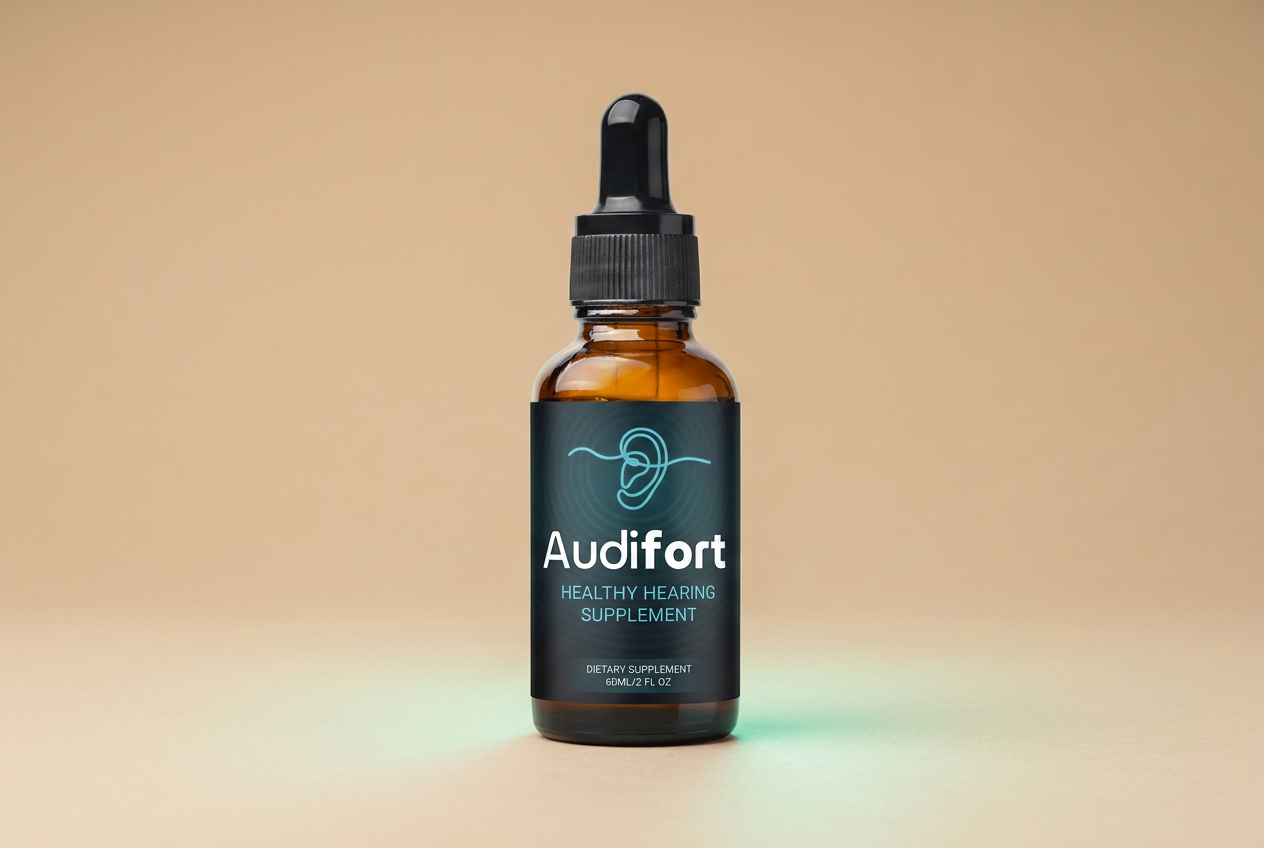
Check the current price and available bonuses on the official website:
Visit the Official Audifort Website
Disclosure: This post contains affiliate links. If you click through and make a purchase, we may earn a commission at no additional cost to you. This helps support our editorial work. Our opinions remain our own.
This article is for informational purposes only and is not medical advice. It is not intended to diagnose, treat, cure, or prevent any condition, including hearing loss or tinnitus. Consult a qualified healthcare provider or audiologist before starting any new supplement, especially if you have a medical condition, are pregnant or nursing, or are taking medication. Individual results may vary.