INDEPENDENT PRODUCT REVIEW
Lymph Tonic Review
A clear, editorial look at product information, ingredients, price options and considerations.

FTC Disclosure: This article contains affiliate links. If you buy through them, we may earn a commission at no extra cost to you. We only recommend products we have researched and believe fit our editorial standards.

Stand Up Right Now and Look at Your Ankles
Go on. Pull up your socks — or don’t. Look at your ankles and feet at the end of a long day. Are your socks leaving deep marks? Does one shoe feel tighter than the other by dinner time? Have you noticed your rings getting snug, your face a little puffier in the morning, or a heaviness in your legs that has nothing to do with how much you walked?
Most people answer “yes” to at least one of those and immediately file it under the same harmless label: water weight.
Drink less water, they tell you. Cut the salt. Elevate your legs. It’s normal. It’s aging. It’s nothing.
But here’s the uncomfortable part nobody says out loud: that swelling is not “water” sitting in your body by accident. It’s a signal — and the system it’s pointing to is one of the most ignored, least understood, and most quietly overloaded systems in your entire body.

The “It’s Just Water Weight” Deception: The Second Circulatory System Nobody Talks About
You’ve heard of your circulatory system — the heart, the arteries, the veins. It gets all the attention.
But your body runs a second circulatory network: the lymphatic system. A web of vessels and nodes that acts as your body’s drainage and defense network. Where the blood system delivers, the lymphatic system cleans up — collecting excess fluid, waste, and cellular debris, and moving it out of your tissues.
Every single day, your lymphatic system moves roughly two to three liters of fluid back into your bloodstream. When that drainage slows down, fluid doesn’t vanish into thin air. It pools. In your legs. Your ankles. Your hands. Your face. And the puffiness you call “water weight” is often the visible surface of a deeper problem: lymphatic drainage that’s falling behind.
Here’s the deception: the products designed for swollen legs treat the symptom, not the drainage. Diuretics flush water out of your system — but they don’t help the lymphatic network do its job, and they come with a long list of considerations. Compression stockings squeeze the swelling down — but they’re a bandage, not a fix, and anyone who has worn them in summer knows the “compliance problem.” Nobody wears them consistently. Nobody enjoys them. And they don’t address why the fluid accumulated in the first place.
You’re spending money on things that hold the tide back instead of supporting the system that actually moves it.

What Happens When You Ignore the Swelling
Left unaddressed, fluid retention doesn’t usually get better on its own — it compounds. Here’s the quiet trajectory nobody warns you about:
- The “end of day” phase. Rings tight, socks marking, shoes feeling small. Annoying, but easy to wave off.
- The “wait, was it like this last year?” phase. The swelling starts showing up earlier in the day. Your legs feel heavy, achy, restless. You start avoiding activities you used to love.
- The “investment” phase. You buy the compression stockings. Then a second pair. Then a fancier one. You try the diuretic teas and the “detox” waters. It adds up — and the pile of things that “should have worked” keeps growing.
Now add the quiet costs that don’t come with a receipt: the skipped walks, the shoes you can’t wear anymore, the days you feel like your own body is carrying an extra passenger. The vendor behind Lymph Tonic puts a blunt number on one of these costs: if you don’t lock in the discounted pricing, coming back later means paying $129 per bottle instead of $49 — $480 more for the same six bottles. And their “running out” story is one we’ve heard echoed in countless supplement reviews: you start seeing progress, you run out, the swelling creeps back, and momentum is lost.
Whatever you think about the product, the pattern is real: consistency matters, and interruption is expensive — in money, in time, and in morale.
The Solution: Support the Drainage System, Don’t Just Hide the Swelling
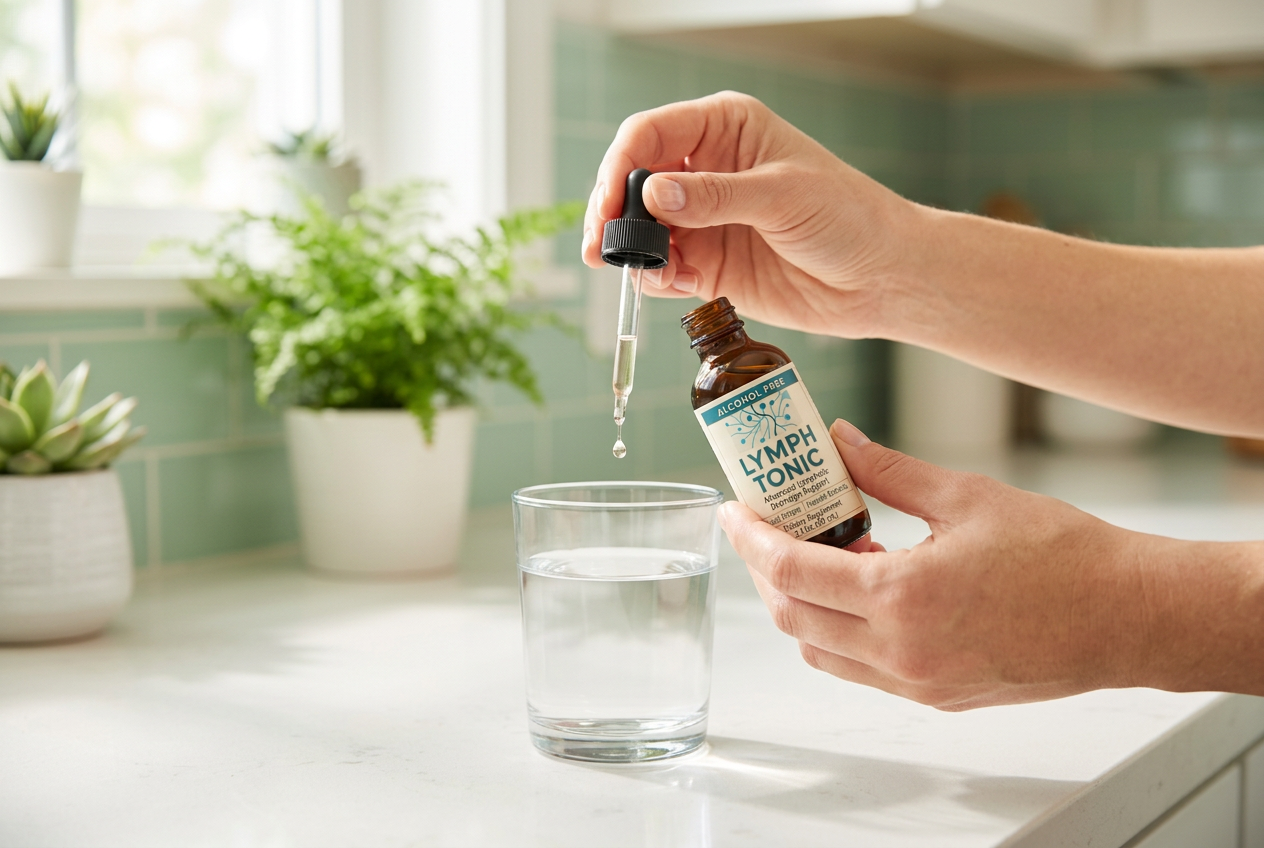
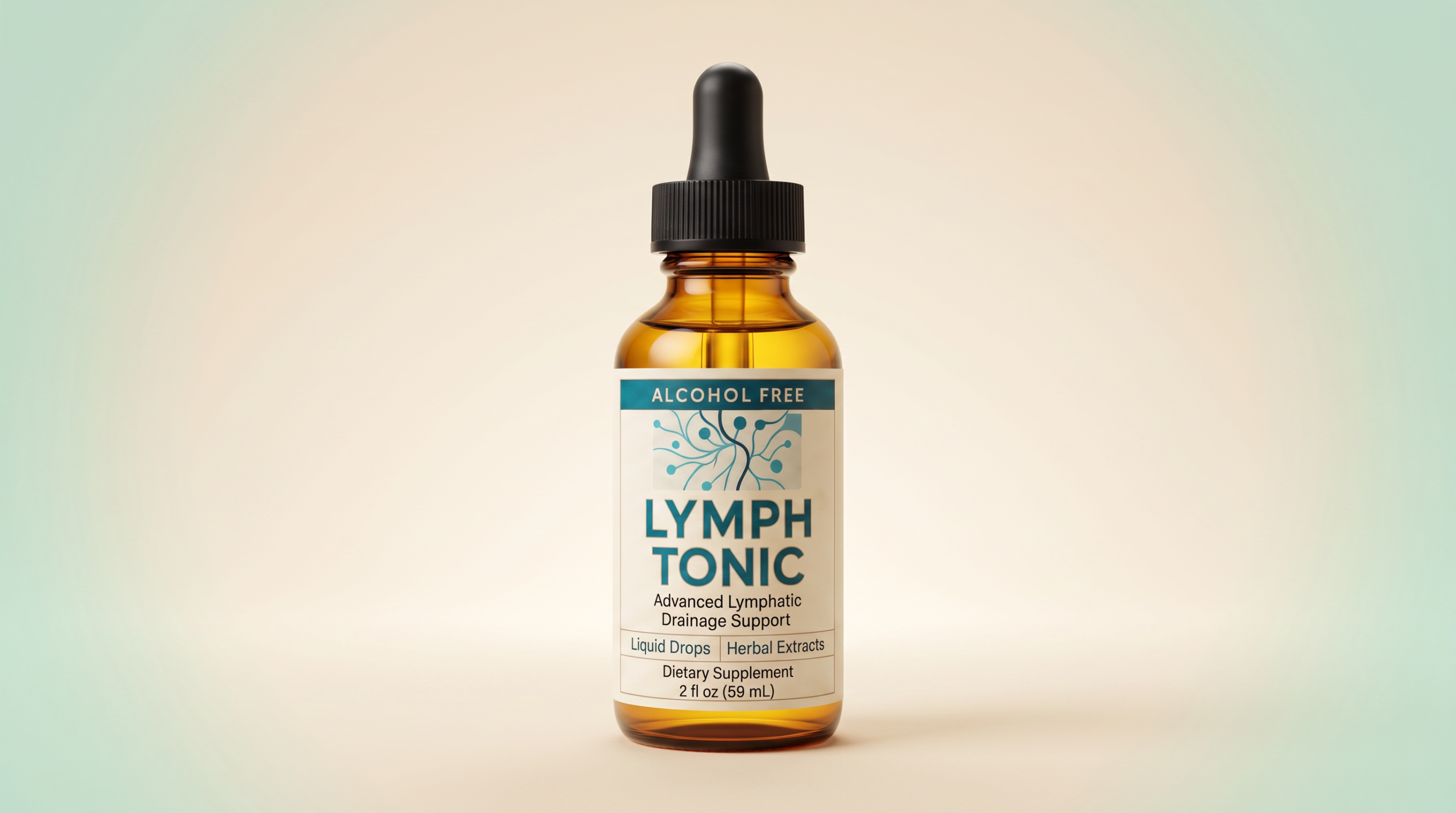
This is where Lymph Tonic enters the picture — and it’s an interesting entry, because it’s not a diuretic and it’s not a compression garment. It’s an alcohol-free liquid herbal supplement designed around one idea: support the body’s own lymphatic drainage and circulation, so fluid handling improves from the inside rather than being forced from the outside.
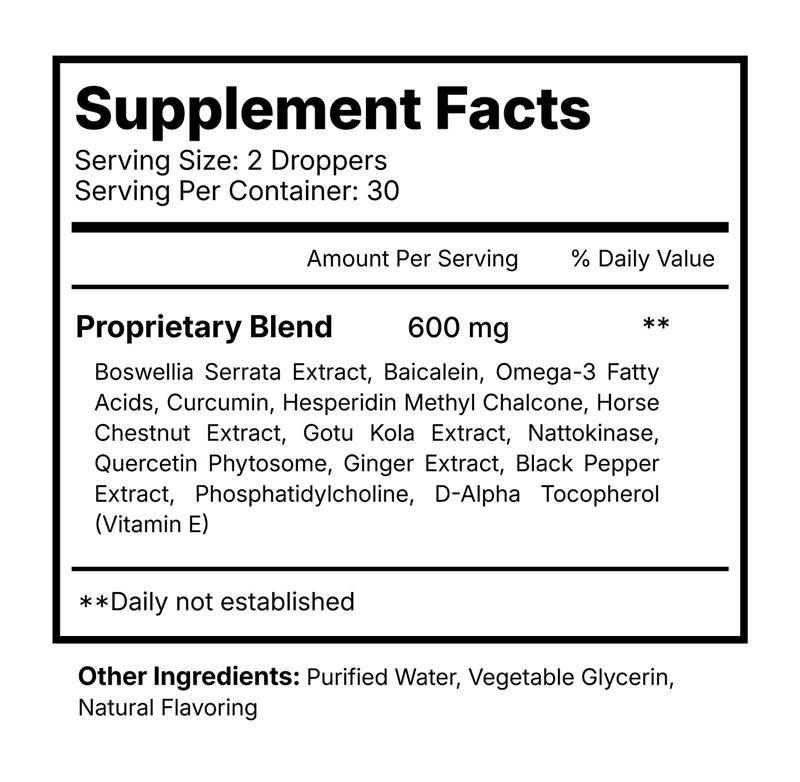
The liquid form matters more than it sounds. Most people who need lymphatic support are the same people who struggle with pills — and a tincture-style liquid, taken as two droppers a day, absorbs quickly and carries no alcohol taste or burn (a genuine complaint with many herbal tinctures). Each 2-dropper serving delivers 600 mg of a proprietary herbal blend, with 30 servings per 2 fl oz bottle.
It’s made in the USA, third-party tested, with no artificial preservatives — and every order is covered by a 60-day money-back guarantee, which takes most of the risk out of trying it.

How It Works: What’s Inside the 600 mg Blend
The formula combines botanicals with long traditional histories of use in circulation and vascular support. Here’s what’s in the blend, and what each ingredient is traditionally associated with:
| Ingredient | Traditional association |
|---|---|
| Boswellia Serrata Extract | Ayurvedic tradition — joint and circulatory support |
| Baicalein | Flavonoid found in traditional herbal preparations (Skullcap root) |
| Omega-3 Fatty Acids | Essential fatty acids — cardiovascular and cellular health |
| Curcumin | The active compound in turmeric — centuries of traditional wellness use |
| Horse Chestnut Extract | European herbal medicine — vascular health (the most-studied botanical for leg swelling) |
| Nattokinase | Enzyme from fermented soybeans — traditional Japanese nutrition, studied for circulation support |
Other ingredients: Purified Water, Vegetable Glycerin, Natural Flavoring.
The Science Is Emerging — and That’s the Honest Part
Let’s be straight with you: no single botanical is a magic fix for lymphatic health, and anyone who promises instant, guaranteed “drainage” should be treated with skepticism. What the research does show is that several of these ingredients have genuine, if preliminary, support for circulation-related goals:
- Horse chestnut is among the most researched botanicals for leg swelling and venous tone — it has been studied in clinical settings for “heavy legs” and swelling, which is exactly the population Lymph Tonic targets.
- Boswellia and curcumin are both well-studied for their traditional anti-inflammatory properties, which matters when fluid retention comes with a feeling of heaviness and discomfort.
- Nattokinase has a body of small studies on circulation and blood flow support.
We’re flagging these as emerging evidence, not established cures. The vendor’s marketing makes bold claims about “lymphatic regeneration cycles” and “critical weeks 7–10” — treat those as sales framing, not science. What’s reasonable to say: the ingredient list is thoughtful, the format is practical, and the direction (supporting drainage rather than forcing water loss) is a sensible one.
The Pricing: Less Than a Pack of Gum
Here’s where Lymph Tonic gets interesting. The regular price is $129 per bottle — but the current introductory pricing brings it down dramatically:
| Package | Price | Per bottle | What you get |
|---|---|---|---|
| Starter (2 months, 2 bottles) | $158 | $79 | 2 bottles, small shipping fee |
| Popular (3 months, 3 bottles) | $207 | $69 | FREE shipping + bonus guides ($178 value) |
| Best Value (6 months, 6 bottles) | $294 | $49 | FREE priority shipping + bonus guides + VIP status — $1.63/day |
Put that $1.63-a-day figure next to what you’re already spending: compression stockings, diuretic products, “detox” teas, the podiatrist visits, the new shoes. The 6-bottle package costs less than a single month of some leg-care routines — and it’s the option 73% of customers choose, which is usually the strongest signal of which package actually gets results.
Every package is protected by the 60-day money-back guarantee, so the risk is bounded.
Final Verdict
Lymph Tonic won’t make your legs look different overnight, and no supplement should be expected to. What it offers is a genuinely different angle on a very common problem: instead of forcing fluid out with diuretics or squeezing it down with compression, it supports the system responsible for drainage — with a practical liquid format, a thoughtful botanical blend, and an honest 60-day guarantee.
Who it may be for: people with mild-to-moderate leg swelling, heavy-feeling legs, or water retention who want to support their body’s natural drainage before escalating to more invasive approaches — and who understand that consistency (not magic) is what produces results.
Who should pass: anyone with a diagnosed medical condition affecting their legs, heart, or circulation, and anyone who expects a supplement to replace medical care. If you’re under a doctor’s care, talk to them first.
Where to Buy Lymph Tonic
Lymph Tonic is available through the official website only — it’s not sold in stores or on third-party marketplaces. Head to the official page to check the current price, the active package deals, and the 60-day guarantee:
Visit the Official Lymph Tonic Website
Affiliate Disclosure: This article contains affiliate links. We may earn a commission if you purchase through them, at no additional cost to you. This does not influence our editorial assessment.
Medical Disclaimer: The content of this article is for informational purposes only and is not a substitute for professional medical advice, diagnosis, or treatment. Always consult your doctor before starting any supplement, especially if you are pregnant, nursing, taking medication, or managing a medical condition. The statements in this article have not been evaluated by the FDA.
Published: August 30, 2026