WELLNESS & HEALTH · DR. HERMES, M.D.
Kalium Phosphoricum — The Nerve Salt of Exhaustion
Of the twelve tissue salts, Kalium Phosphoricum (Kali Phos.) holds the most dramatic claim: that it is nothing less than the substance from which the grey matter of the brain is formed. In the nineteenth-century biochemical system, this salt — potassium phosphate — was considered the paramount nerve nutrient, the remedy for minds worn thin by overwork, worry, and sleeplessness. Today, the science is more measured, but the clinical picture of nervous exhaustion remains as real as ever, and Kali Phos. continues to offer a gentle, low-risk support for those whose nerves have simply run out of fuel.

What Is Kalium Phosphoricum?
Kalium Phosphoricum — also written Kali Phos. or Potassium Phosphate (K₂HPO₄) — is the fifth of the twelve biochemic tissue salts identified by Dr. Wilhelm Schüssler in the 1870s. It is the potassium salt of phosphoric acid, and it is found naturally in high concentration within nerve cells, brain tissue, and muscle fibres.
In the Schüssler system, each tissue salt corresponds to a specific inorganic constituent of human blood and cells. When a particular salt falls below its physiological level, the cell cannot function properly, and symptoms arise. Kali Phos. is assigned to the nervous system — specifically to the grey matter of the brain and the nerve fibres that carry sensation and volition throughout the body.
Potassium phosphate is not a vitamin or an herb. It is a mineral salt that the body requires for the phosphorylation reactions that drive cellular energy (ATP), maintain the electrical potential of nerve membranes, and regulate the on-off switching of enzymes and receptors. In the biochemic model, providing the salt in molecular (triturated) form allows the cell to absorb it directly, restoring normal nerve function.
Discovery in Human Ashes
Schüssler’s method was rooted in the histology of his time. He analysed the inorganic residue of human tissues — the ash left after organic matter was burned away — and identified twelve mineral salts that consistently appeared. Potassium phosphate was found abundantly in the ash of brain and nerve tissue. From this observation, Schüssler reasoned that a deficiency of this particular salt must be the root cause of nervous and mental disorders.
This was not an unreasonable inference for the 1870s. The existence of minerals in tissue was established; their specific functions were not. Schüssler’s clinical genius was to match the absence of a salt with the presence of a symptom — and then to supply the salt and watch the symptom resolve. In the case of Kali Phos., the clinical picture he assembled was unmistakably that of nervous exhaustion, anxiety, and brain-fag.
Historical Doctrine: What Schüssler and Carey Taught

Dr. George W. Carey, the great American exponent of the biochemic system, wrote about Kalium Phosphoricum with an intensity bordering on the prophetic. In The Biochemic System of Medicine (1894), he opens the chapter on Kali Phos. with a statement that still echoes through the literature of tissue salts:
When the medical profession fully understands the nature and range of the phosphate of potassium, insane asylums will no longer be needed.
Carey’s theoretical foundation was straightforward: the grey matter of the brain is made of nerve-fluid, and nerve-fluid is manufactured from potassium phosphate. He wrote:
The grey matter of the brain is controlled entirely by the inorganic cell-salt, potassium phosphate. This salt unites with albumen, and by the addition of oxygen creates nerve-fluid, or the grey matter of the brain.
He acknowledged that other substances are present in nerve tissue, but insisted on the primacy of this one salt:
Of course, there is a trace of other salts and other organic matter in nerve-fluid, but potassium phosphate is the chief factor, and has the power within itself to attract, by its own law of affinity, all things needed to manufacture the elixir of life.
Carey’s confidence in Kali Phos. was absolute. He called it:
the most wonderful curative agent ever discovered by man, and the blessings it has already conferred on the race are many. But ‘what shall the harvest be’ when physicians everywhere fully understand the part this wonderful salt plays in the processes of life? It will do as much as can be done through physiology to make a heaven on earth.
He envisioned a practical, everyday use for the salt — not only in asylums and hospitals, but in the home:
Let the overworked business man take it and go home good-tempered. Let the weary wife, nerves unstrung from attending to sick children or entertaining company, take it and note how quickly the equilibrium will be restored and calm and reason assert her throne.
Carey listed the mental symptoms that indicate a deficiency of Kali Phos. with remarkable precision. They include: brain-fag from overwork; depressed spirits, irritability, impatience and nervousness; anxiety, gloomy moods, nervous dread, forebodings, looking on the dark side of life; poor memory; fainting and tendency to fainting in nervous, sensitive persons; sleeplessness from nervous causes, often after worry or excitement; homesickness, sighing, weariness and depression; and a tongue coated like stale, brownish, liquid mustard, with very offensive breath.
The historical doctrine is unambiguous: Kali Phos. is the salt of the mind in distress. Whether the distress arises from overwork, grief, worry, illness, or the sheer relentless pressure of life, the remedy is the same — potassium phosphate supplied in molecular form to restore the nerve-fluid that exhaustion has depleted.
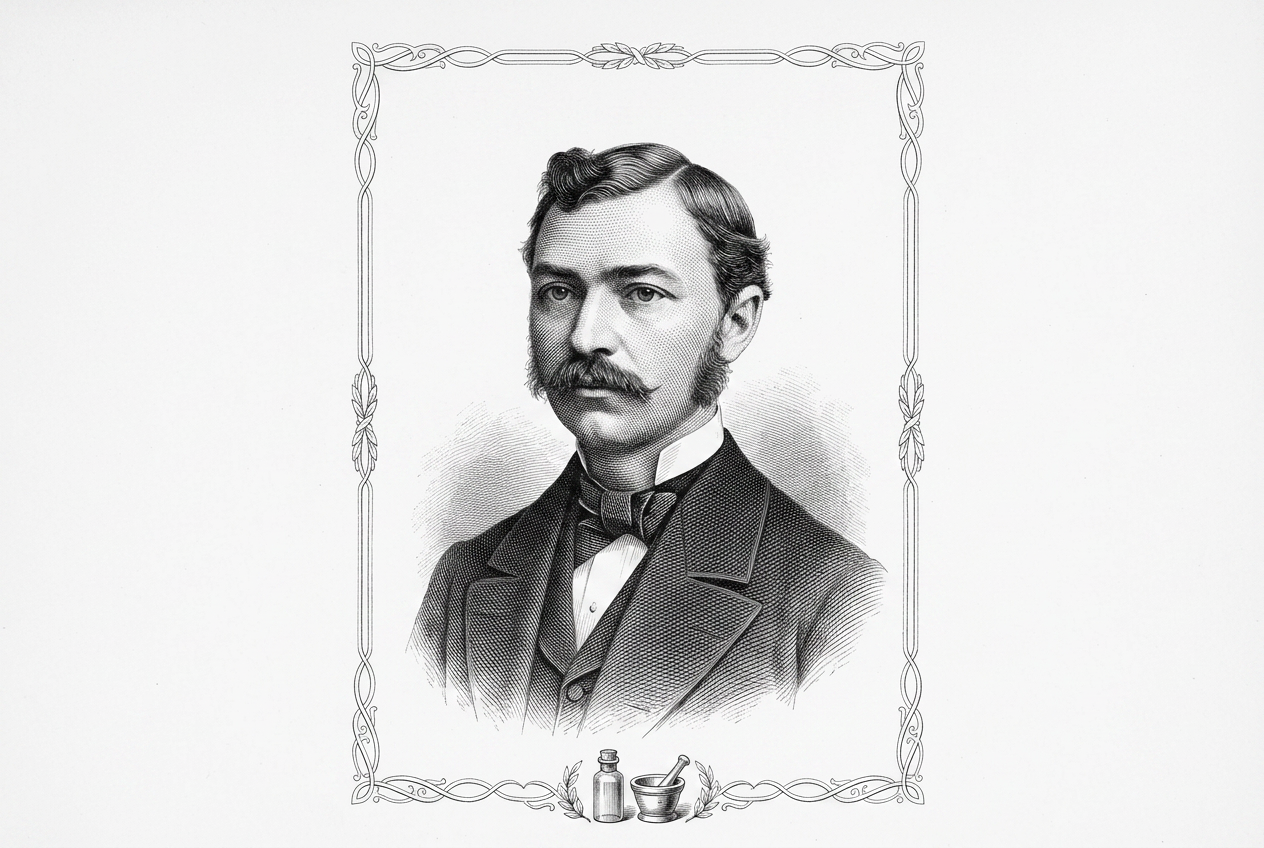
Dr. William Boericke, the San Francisco physician who systematised the American tissue-salt school, devoted a full section of The Twelve Tissue Remedies of Schüssler (1888) to Kalium Phosphoricum. He recorded the salt’s physiological ground:
Kali phos. is a constituent of all animal fluids and tissues, notably of the brain, nerves, muscles and blood-cells. All tissue-forming substances retain it with the greatest obstinacy… It is found that the nerves retain their vital properties for a long time and very completely in a solution of this salt.
And he summarised its clinical field in a single sentence:
It corresponds to the hosts of conditions known as neurasthenia, in which field it has won its greatest laurels.
What Kali Phos. Treats (The Indications)

Drawing from Carey’s materia medica and the Schüssler tradition, the indications for Kalium Phosphoricum can be grouped into several clinical domains:
Mental and Emotional Exhaustion
Carey’s primary indication: brain-fag from overwork, depressed spirits, irritability, anxiety, gloomy moods, nervous dread, looking on the dark side of life. The patient is mentally fatigued, unable to concentrate, and easily overwhelmed. Memory is poor. There is a tendency to dwell on grievances and to cry easily.
Nervous Sleeplessness
Sleeplessness from worry, excitement, or an overactive mind. The patient lies awake with racing thoughts, or wakes frequently during the night. Carey specifically notes: “Sleeplessness from nervous causes, often after worry or excitement.”
Nervous Headaches and Brain-Fag
Headaches in nervous subjects, sensitive to noise, irritable. Headache with confusion, nervousness, loss of strength, inability for thought, weariness, yawning and stretching, prostrated feeling. Headaches of students and those worn out with mental work and loss of sleep.
Fainting and Weakness
Fainting and tendency to faint in nervous, sensitive persons. General debility and exhaustion from any cause that has lowered the standard of the nervous system. The pulse is sluggish and below normal, or intermittent and irregular.
Nervous System Disorders
Neuralgic pains occurring in any organ, with depression and failure of strength. Paralysis or partial paralysis. Nervous affections where the patient is irritable, impatient, dwells on grievances, despondent, cries easily — “makes mountains out of molehills.”
Physical Signs
The tongue may be coated like stale, brownish, liquid mustard. The breath is very offensive. The face may be pale, sickly, and sallow, with hollow eyes. The patient sighs involuntarily, or moans during sleep.
Where Conventional Care Plateaus: When a Specific Intervention Reaches Its Limit

The following cases come from the ABUGALY Holistic-Medical Institute. The research group reviewed two clinical scenarios in which modern pharmaceutical treatment reached a therapeutic plateau — where the benefit of continued drug use was outweighed by harm, and an alternative approach was needed. In both cases, Kali Phos. formed the cornerstone of the biochemical support protocol.
The single salt, and when a combination is warranted
The protocols in this article prescribe one tissue salt — Kalium Phosphoricum, the salt of this article — rather than a mixture. This is a deliberate choice of method, not an omission. The biochemic system is mineral-specific: each tissue salt corrects one discrete biochemical function, and one salt, correctly chosen and given time, removes the deficiency that holds the clinical picture in place. A single prescription is also traceable: when the patient improves, we know precisely which salt carried the signal. When several salts are given together, the signal is scattered, and neither the clinician nor the patient can tell which remedy was decisive.
For the great majority of plateau cases — where one dominant deficiency underlies the picture — the single salt is therefore the correct first prescription: D12 for the chronic state, D6 for the acute overlay, D30 for the stalled or long-suppressed case, reviewed at weeks 4, 8 and 12.
There is an honest exception, and the tradition itself recognises it. When a case presents with two or more distinct deficiencies at once — for example structural weakness together with nerve pain and acute inflammation — a multi-salt protocol is warranted. Schüssler himself combined the cell salts when the clinical picture demanded it. The single-salt prescription is therefore not a rule against combination; it is the discipline of starting with the dominant deficiency, observing the response, and adding a second salt only when the picture clearly requires it.
Case 042 — Chronic Anxiety and Long-Term Benzodiazepine Use
Patient profile: A 42-year-old female social worker with a 10-year history of generalized anxiety disorder (GAD) and panic disorder. She had been taking clonazepam 1 mg three times daily for seven years.
Symptoms at presentation: Daily anticipatory anxiety, muscle tension in the neck and shoulders, insomnia (difficulty falling asleep, frequent waking), “brain fog,” and daytime sedation. An attempt to reduce the benzodiazepine 18 months earlier had produced rebound anxiety, tremor, and insomnia, leading to reinstatement at the full dose. Cognitive testing showed mild deficits in working memory and processing speed.
Why standard treatment plateaued: Benzodiazepines are effective for acute anxiety but become iatrogenic with long-term use. Systematic reviews confirm accelerated cognitive decline, increased dementia risk (including Alzheimer’s disease), dependence, withdrawal morbidity, and elevated all-cause mortality. A 2026 systematic review, meta-analysis, and Mendelian randomisation study (Drugs, PMID 42334823) linked sedative-hypnotic drug use to Alzheimer’s disease risk. NICE Guideline NG113 (2019) recommends benzodiazepines for short-term use only — 2 to 4 weeks. This patient had been on them for seven years, with documented cognitive impairment and a failed taper.
What Dr. Hermes would propose: A gradual, medically supervised benzodiazepine taper (10% dose reduction every 1–2 weeks) combined with a biochemical support protocol centred on Kali Phos. D6 (4 tablets sublingual, four times daily) to support nerve phosphate metabolism and reduce the “brain fog” and anxiety that drive dependence. For cases of long-term benzodiazepine suppression, Kali Phos. D30 (1 tablet sublingual, twice daily) may be added to address the stalled recovery. Adjunctive measures include cognitive-behavioural therapy (first-line for GAD), mindfulness-based stress reduction, magnesium glycinate 300 mg at night, and regular aerobic exercise.
Dr. Hermes protocol: Kali Phos. D6 — 4 tablets sublingual QID (8:00, 12:00, 16:00, 20:00), with Kali Phos. D30 — 1 tablet sublingual twice daily (morning and evening) for the first 4 weeks to address the history of long-term benzodiazepine suppression. Continue the D6 continuously during the taper and for three months post-discontinuation. Tablets should be dissolved under the tongue, 15 minutes away from food or drink. Track progress at weeks 4, 8, and 12 using the GAD-7 anxiety scale and cognitive self-assessment.
Case 070 — Insomnia in an Elderly Woman on Zolpidem
Patient profile: A 72-year-old retired female teacher with a six-month history of insomnia (sleep-onset difficulty of approximately 60 minutes, 3–4 nocturnal awakenings, early morning waking), daytime fatigue and irritability, and mild anxiety about not sleeping. No sleep apnoea, no restless legs, no depression.
Symptoms at presentation: Difficulty falling asleep, fragmented sleep, daytime fatigue, mild memory complaints (“brain fog”), fear of dependence and of falls at night (she had gotten up confused on two occasions). Her GP had prescribed zolpidem 10 mg nightly three months earlier and renewed the prescription twice without reassessment.
Why standard treatment plateaued: The meta-analysis of 24 RCTs in 2,417 people aged 60 years and over (Glass et al., BMJ 2005;331(7526):1169, PMID 16284208) showed that the benefit of Z-drugs in the elderly is small — sleep quality effect size 0.14, total sleep time +25.2 minutes, awakenings −0.63 — while harms are large: adverse cognitive events 4.78 times more common, daytime fatigue 3.82 times, psychomotor events 2.61 times. The authors concluded that in people over 60, “the benefits of these drugs may not justify the increased risk.” In April 2019, the FDA added a Boxed Warning for eszopiclone, zaleplon, and zolpidem citing complex sleep behaviours (sleepwalking, “sleep driving”) that have caused serious injuries and deaths, even at the lowest dose after a single dose.
What Dr. Hermes would propose: Gradual deprescribing of zolpidem (reduction by 25–50% weekly under medical supervision — never abrupt cessation) combined with a biochemic protocol centred on Kali Phos. D12 (1 tablet sublingual, three times daily: morning, mid-afternoon, and bedtime) to address the nervous exhaustion and overactive mind that underlie the insomnia. For this elderly patient with a history of Z-drug suppression, Kali Phos. D30 (1 tablet sublingual, once daily at bedtime for 4 weeks) may be added to address the stalled recovery. First-line treatment remains non-pharmacological: sleep hygiene, cognitive-behavioural therapy for insomnia (CBT-I) — stimulus control, sleep restriction, cognitive restructuring — fixed rise time, morning light exposure, and no caffeine after noon.
Dr. Hermes protocol: Kali Phos. D12 — 1 tablet sublingual three times daily (morning, mid-afternoon, bedtime) for 8 weeks, then as needed. Kali Phos. D30 — 1 tablet sublingual at bedtime for the first 4 weeks to address the history of Z-drug suppression. All tablets dissolved under the tongue, 15 minutes away from food. Track sleep quality, sleep-onset latency, and nocturnal awakenings at weeks 4, 8, and 12. Document: “Zolpidem deprescribed (Glass 2005: benefit/risk unfavourable in elderly; FDA 2019 Boxed Warning) — CBT-I + sleep hygiene + biochemic support.”
Clinical References for the Two Cases
- Guenther, H. & Heinz, R. (1994). The Twelve Tissue Salts. New Canaan: Keats Publishing.
- Schüssler, W. (1873). An Abbreviated Therapy, Founded on Histology and Cellular Pathology.
- Glass J, Lanctôt KL, Herrmann N, Sproule BA, Busto UE. Sedative hypnotics in older people with insomnia: meta-analysis of risks and benefits. BMJ. 2005;331(7526):1169. PMID: 16284208.
- FDA Drug Safety Communication, 30-04-2019. FDA adds Boxed Warning for risk of serious injuries caused by sleepwalking with certain prescription insomnia medicines (eszopiclone, zaleplon, zolpidem).
- Use of Sedative-Hypnotic Drugs and the Risk of Developing Alzheimer’s Disease: A Systematic Review, Meta-Analysis and Mendelian Randomization Study. Drugs. 2026. PMID: 42334823.
- NICE Guideline NG113 (2019). Generalised anxiety disorder and panic disorder in adults: management.
- Boericke, W. & Dewey, W.A. (1898). The Twelve Tissue Remedies of Schüssler.
Dosage and Potency
In the Schüssler-Carey tradition, Kali Phos. is used in low triturations (D6 / 6X, D12 / 12X) and occasionally in 30X for chronic conditions. The tablets are placed under the tongue and allowed to dissolve — sublingual absorption delivers the salt directly into the bloodstream without the digestive tract altering its molecular structure.
6X (D6): The standard potency for acute or subacute nervous conditions. In Carey’s protocol for anxiety and nervous exhaustion, 4 tablets are taken sublingually three to four times daily. During acute distress, the dose may be repeated every 15 to 30 minutes for up to eight doses.
12X (D12): Used for longer-standing nervous depletion, chronic insomnia, and the aftermath of prolonged stress. One tablet sublingually three times daily is the typical dose. The 12X potency is often preferred for elderly patients and for those with constitutional weakness.
30X: Reserved for deeply rooted nervous conditions or as a constitutional support. One tablet sublingually one to three times daily, or as directed by a practitioner.
All tablets should be taken 15 minutes away from food, drink (except plain water), and strong flavours such as mint or coffee, which can interfere with absorption. Improvement is usually noticeable within 2 to 4 weeks; a full course of 8 to 12 weeks is recommended before assessing the long-term effect.
Final Thoughts
Dr. Carey’s vision of a salt that could empty the asylums and make “a heaven on earth” was the product of a time when biochemistry was in its infancy and the boundaries between tissue chemistry and therapeutic causation had not yet been drawn. We cannot — and should not — claim that Kali Phos. is a treatment for clinical depression, anxiety disorders, or dementia. But we can say this: nervous exhaustion is real. The feeling of having been drained of mental and emotional energy, of being unable to think clearly or sleep restfully, of waking tired and going through the day on fumes — these are experiences that countless people know, and they are not always served well by the pharmaceutical options available.
Kali Phos. offers something that modern pharmacology often cannot: a low-risk, low-cost support that works with the body’s own biochemistry rather than overriding it. For the overworked, the worried, the sleepless, and the depleted, this gentle salt may be exactly what the nerve cells have been asking for. It is not a miracle. It is a nutrient — one that the nervous system, in its wisdom, knows how to use.
Dr. Hermes Trismegistus, M.D.
Doctorate in Schüssler Biochemic Medicine · Chief Medical Scholar, ABUGALY Holistic-Medical Institute
Books for Further Study
- Carey, The Biochemic System of Medicine
- Schüssler, An Abridged Therapy
- Boericke & Dewey, The Twelve Tissue Remedies of Schüssler
- Chapman & Perry, The Biochemic Handbook
- Carey, The Chemistry of Human Life
- Lisa Strbac, Schuessler’s Tissue Salts Rediscovered

Available Preparations: 6X, 12X and 30X
Note on numbering: cell-salt numbering systems differ between manufacturers — Hyland’s, for example, numbers the salts in a different order from the classical Schüssler sequence. Always identify a preparation by its Latin name (e.g. Calcarea Sulphurica, Silicea), never by the number on the label alone.